If you are selling in Holladay or Millcreek, one mistake can cost you time and money: treating prep, pricing, and presentation like separate decisions. In both markets, buyers are paying close attention to condition, photos, and price alignment from day one. The good news is that with the right plan, you can avoid common missteps and put your home in a stronger position before it hits the market. Let’s dive in.
Why strategy matters in Holladay and Millcreek
Holladay and Millcreek are both active Salt Lake Valley markets, but they do not move exactly the same way. Redfin’s March 2026 snapshot shows Holladay at a median sale price of $947,557 with 30 days on market, while Millcreek sits at $624,950 with 26 days on market. Realtor.com’s April 2026 local pages also show different inventory and pricing patterns, with Holladay at 131 active listings and Millcreek at 220.
That difference matters when you set expectations for your sale. Holladay and Millcreek may share some buyer overlap, but they sit in different price bands and have different negotiation pressure. The clearest takeaway is simple: your home needs realistic pricing and polished presentation, not guesswork.
Countywide numbers help as background, but they should not drive your list price on their own. Salt Lake County shows broader market conditions, yet buyers will compare your property to nearby homes with similar size, condition, and features. That is why recent local comps matter more than broad county averages.
Start with pre-list prep
Before you think about photography or launch timing, focus on what a buyer will notice in person and what could come up during inspection. Obvious deferred maintenance can shape buyer perception fast, even if the rest of the home shows well. In many cases, smaller repairs and cosmetic refreshes do more for your sale than a major renovation.
Realtor.com’s Millcreek seller guidance supports that approach. Minor updates like paint, fixtures, and landscaping often help, while large remodels do not always return their full cost. If you are deciding where to spend, start with fixes that improve first impressions and reduce buyer concerns.
Repairs to prioritize first
Focus on work that makes your home feel cared for, functional, and ready for the market:
- Fix visible defects
- Address items likely to surface in inspection
- Refresh paint where needed
- Update tired fixtures if they date the room
- Clean up landscaping and exterior touch-ups
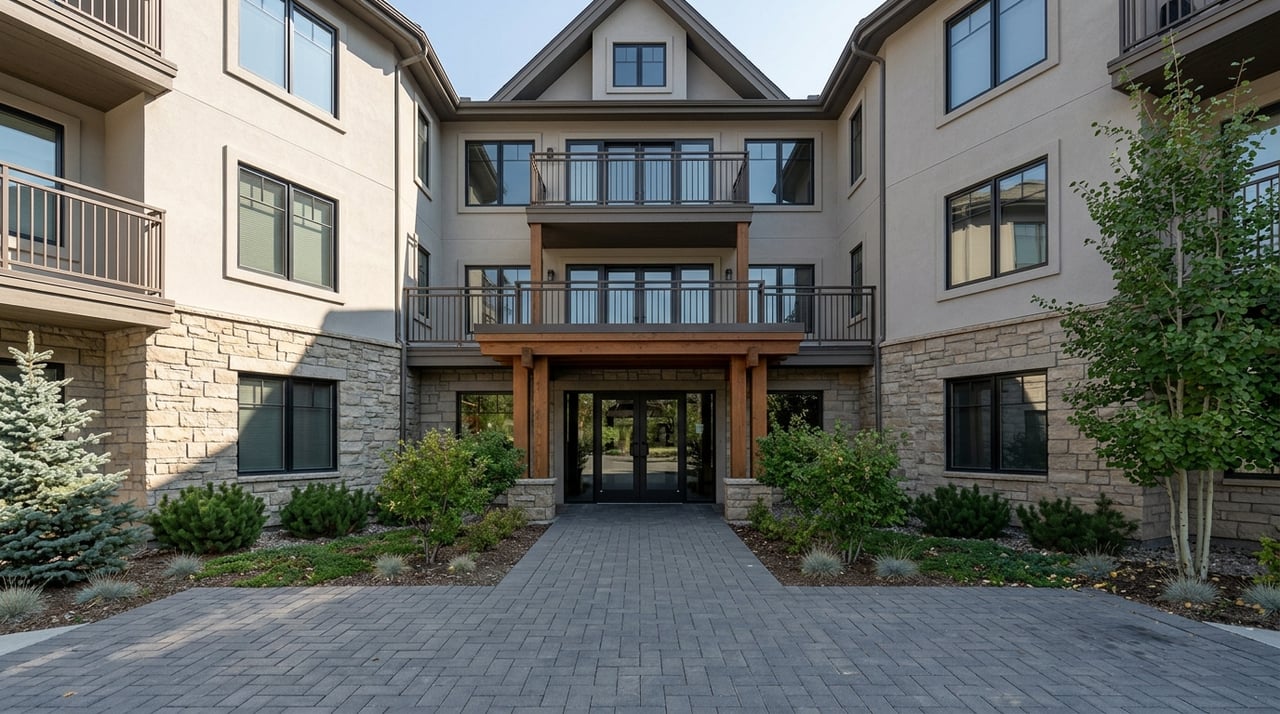
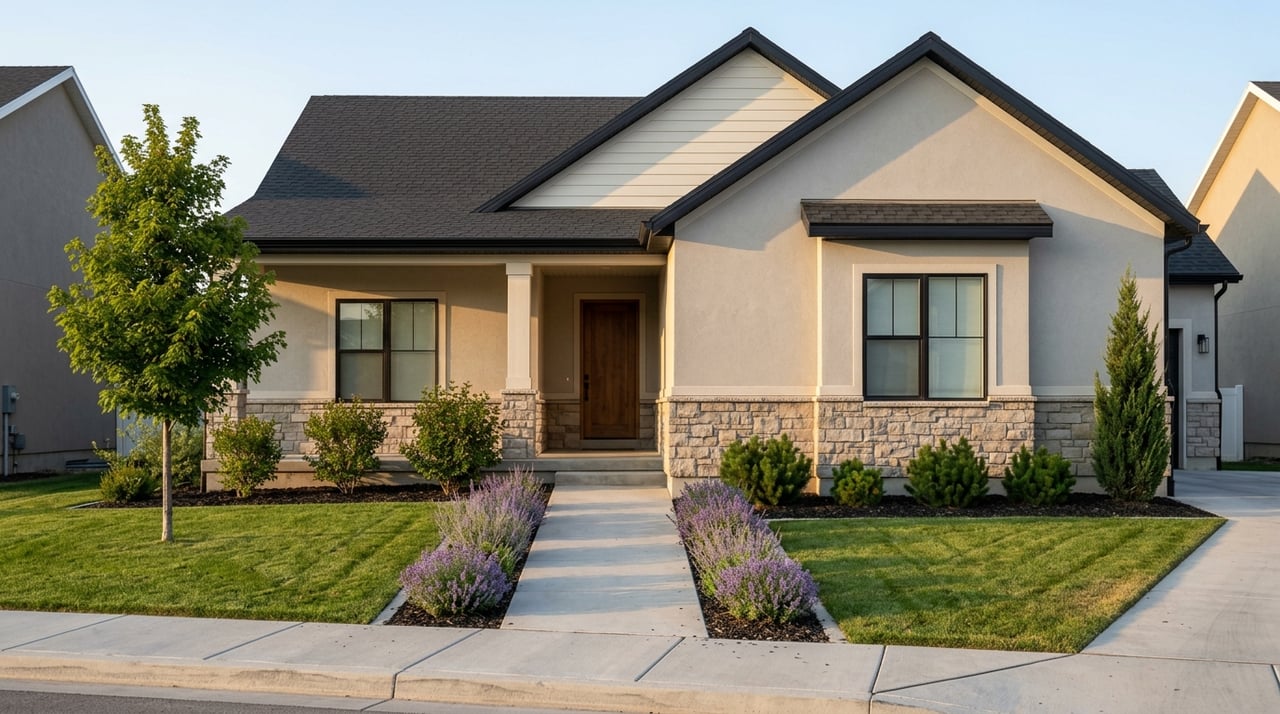
- Improve entry appearance and curb appeal
This kind of prep supports your pricing strategy. Buyers tend to judge value quickly, especially online and during the first showing. If your home looks clean and well maintained, your asking price has a better chance of feeling justified.
Order disclosures and documents early
In Utah, your disclosure package can take more time to assemble than sellers expect. Utah Commerce notes that the standard REPC disclosure package includes a written seller property condition disclosure, a lead-based paint disclosure for homes built before 1978, a title insurance commitment, HOA documents when applicable, and written notice of known environmental or building or zoning code violations.
If your property is in an HOA, start early. Utah Commerce’s HOA checklist says associations have 14 days to respond to a seller’s request for documents. Waiting too long can create avoidable delays right when you want momentum.
Consider radon testing before listing
Utah DEQ recommends suggesting a radon test as soon as possible if the home has not been tested, ideally during the normal inspection process by a third-party tester. If you have already tested, the results should be provided to the buyer. Handling this early can reduce surprises later and help you move through negotiations with more confidence.
Watch permit rules before exterior work
Curb appeal matters, but not every outdoor project is as simple as it seems. In both Holladay and Millcreek, sellers should be careful not to assume exterior improvements are automatically minor from a city review standpoint. Permit requirements can affect your timeline.
Millcreek states that a building permit is required for all construction except a short list of items, and its building department notes that initial plan review can take up to 14 business days after acceptance. Holladay’s Good Neighbor Guide says most projects need planning or building approval, fences require permits and have height limits, tree removal requires a permit, and exterior lighting must be dark-sky compliant.
Exterior projects to double-check
Before you start outdoor work, confirm whether city approval is needed for:
- Fence changes or new fences
- Tree removal
- Exterior lighting updates
- Construction-based curb appeal projects
- Other exterior improvements tied to structure or site changes
If a project could trigger review, it is better to know early. That way, your listing timeline stays realistic and your prep work does not create last-minute stress.
Price to the market you are in
Pricing is where many sellers lose leverage. It is tempting to start high and hope the market proves you right, but in Holladay and Millcreek, overpricing can hurt your days on market and your final net proceeds.
The local numbers make that clear. Holladay’s median sold price is substantially higher than Millcreek’s, and Realtor.com’s local listing data also shows a meaningful gap between the two cities. At the same time, Millcreek’s Realtor.com page shows a 90% sale-to-list ratio and homes selling about 9.82% below asking on average, which is a strong reminder that buyers are negotiating when a price does not match the home.
What smart pricing looks like
A smart list price reflects three things:
- The most recent nearby comparable sales
- Your home’s current condition
- The level of buyer competition among active listings
That is why prep and pricing are connected. If your home is not fully market-ready, buyers may discount it. If your home is beautifully prepared but priced above local reality, buyers may still pass it by.
In Holladay, where price points are higher, buyers often expect strong presentation to match the number. In Millcreek, where inventory is deeper based on current local listing counts, buyers may have more options to compare. In both places, disciplined pricing gives your home a better shot at attracting serious attention early.
Presentation can protect your price
Presentation is not just about making a home look nice. It is part of value perception. Buyers often decide how they feel about a home before they ever step through the front door.
NAR’s 2025 staging research found that 83% of buyers’ agents said staging made it easier for buyers to visualize the property as their future home. More than a quarter said staging resulted in a 1% to 10% increase in offer value. That does not mean you need to stage every room, but it does mean presentation can influence the final number.
Focus on the rooms that matter most
According to NAR’s staging research, the most commonly staged rooms are:
- Living room
- Primary bedroom
- Dining room
That is a useful guide for sellers who want a strong return on effort. Start with the spaces buyers see first, remember most clearly, and judge most heavily in photos.
Simple staging moves that help
NAR’s consumer guidance recommends a practical, buyer-friendly approach:
- Declutter personal items
- Use neutral paint colors
- Remove bulky furniture
- Keep closets from overflowing
- Make the entry look cared for
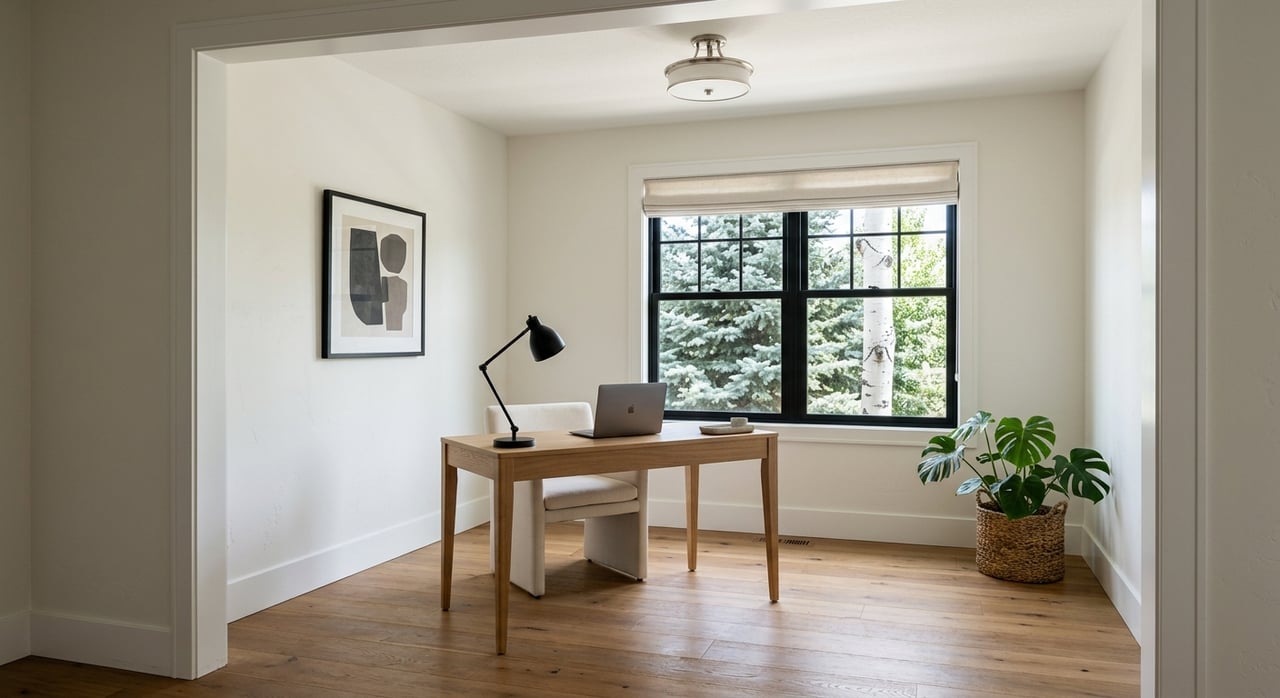
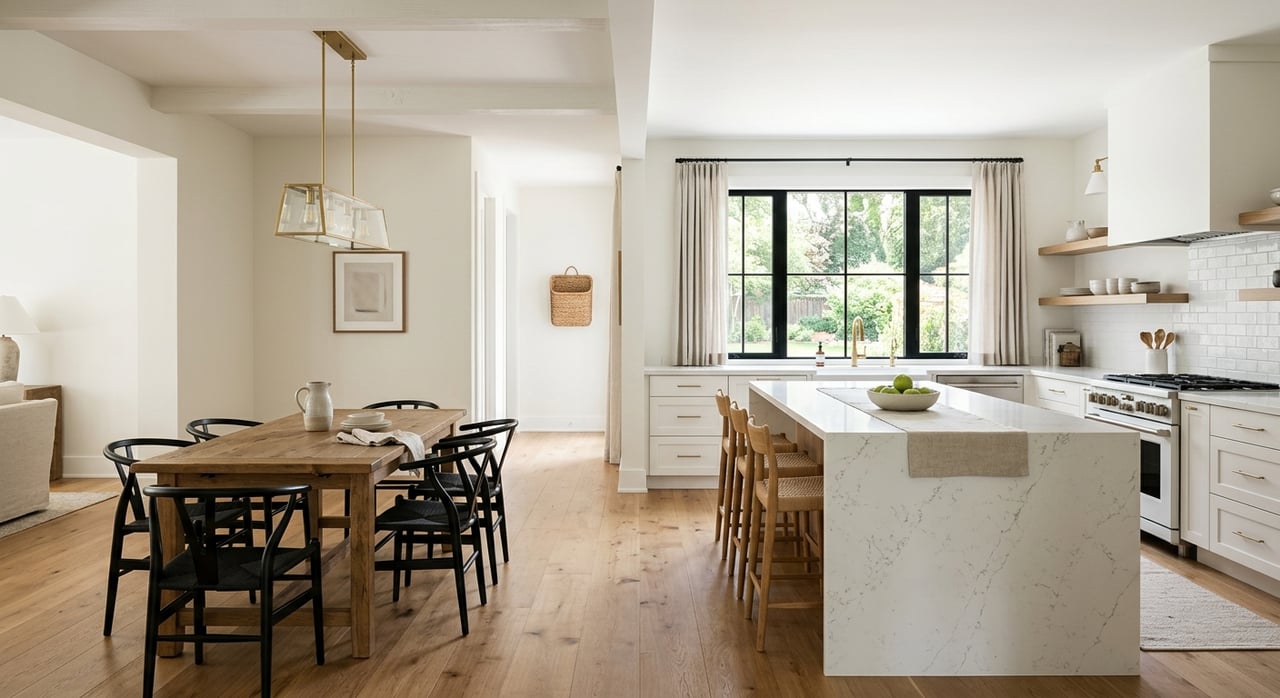
These steps help your home read as brighter, cleaner, and more spacious. In many cases, that is exactly what helps a buyer connect emotionally while still feeling confident about value.
Photos are part of pricing now
Most buyers start their search online, so your photos are not a finishing touch. They are part of the first showing. NAR reports that 81% of buyers consider listing photos the most important factor when evaluating properties.
That makes professional photography one of the most practical tools you can use to support your asking price. Clean sightlines, strong lighting, and photo-ready rooms help buyers understand the home clearly. Honest presentation matters too, and NAR cautions that virtual staging or AI-edited images should not materially misrepresent the home and should be disclosed when they do.
For sellers, the takeaway is straightforward. Great photos can help preserve value, but only if they reflect the real condition and layout of the home. The goal is to create confidence, not surprise.
A simple pre-list timeline
If you want a smoother launch, work backward from your ideal listing date. A clear timeline gives you room to handle documents, city approvals, repairs, and presentation without rushing.
10 to 12 weeks before launch
- Separate cosmetic fixes from permit-triggering work
- Order a radon test if the home has not been tested
- Gather seller disclosures early
- Request HOA documents right away if the property is in an HOA
This stage is especially important in Millcreek, where initial plan review can take up to 14 business days after acceptance, and in Holladay, where many projects require planning or building approval.
6 to 8 weeks before launch
- Finish approved repairs
- Improve curb appeal
- Confirm that fence, tree, or exterior work has proper city approval
- Wrap up visible maintenance items
At this point, your goal is to move from planning to execution. The house should begin looking and feeling market-ready.
2 to 4 weeks before launch
- Declutter and depersonalize
- Stage key rooms
- Book professional photography
- Prepare the home for photos and showings
This is when presentation starts to shape buyer perception in a big way. If the home is clean, bright, and easy to read, your marketing has a stronger foundation.
Launch week
- Deep clean the home
- Complete final touch-ups
- Review fresh local comps
- Finalize pricing based on current conditions
This last step is critical. Price against what the market is saying now, not what you hoped it might say a month ago.
The bottom line for sellers
If you are selling in Holladay or Millcreek, the strongest strategy is not just to list your home. It is to launch it with intention. That means tackling visible repairs, handling disclosures and permits early, presenting the home clearly, and pricing it with discipline.
In both markets, prep and presentation are not separate from pricing. They are part of pricing. When those pieces work together, you give yourself a better chance at stronger interest, better negotiations, and a smoother path to closing.
If you want a local, hands-on plan for timing, pricing, staging, photography, and negotiation, connect with Trey Leonard for tailored guidance on your next move.
FAQs
What is the biggest pricing mistake when selling a home in Holladay or Millcreek?
- The biggest mistake is pricing based on hope instead of recent local comps, current condition, and nearby competition.
What should sellers fix before listing a home in Holladay or Millcreek?
- Sellers should prioritize visible defects, likely inspection issues, minor cosmetic updates, and curb appeal improvements over major remodels.
Do sellers in Holladay or Millcreek need to think about permits before exterior work?
- Yes. Both cities have rules that can affect fences, tree removal, lighting, and other exterior projects, so it is smart to confirm approval requirements early.
Should sellers stage a home before listing in Holladay or Millcreek?
- Yes. Staging key areas like the living room, primary bedroom, and dining room can help buyers picture the home more easily and may support stronger offers.
When should sellers gather HOA and disclosure documents in Utah?
- Sellers should gather them as early as possible, especially for HOA properties, since associations may take up to 14 days to respond to document requests.
Why do listing photos matter so much when selling a home in Holladay or Millcreek?
- Most buyers start online, and listing photos are a major factor in whether they decide a home is worth seeing in person.