Thinking about moving to Salt Lake City’s urban core? You are not alone, and the choice can feel bigger than it looks on a map. A condo Downtown, a historic home in The Avenues, or a foothill property near Federal Heights can lead to very different day-to-day living. This guide walks you through the process step by step so you can narrow your options, plan a smart home search, and move forward with confidence. Let’s dive in.
Start With the Urban-Core Fit
Salt Lake City’s urban core is not one single experience. It is a group of close-in neighborhoods with different strengths, housing styles, and daily routines.
According to the City of Salt Lake, Downtown is the city’s main center for commerce, government, culture, entertainment, and transit. If you want easy access to rail, events, dining, and a more car-light lifestyle, Downtown is often the most practical place to begin.
The Avenues offers a different feel. The neighborhood sits between the city center and the Wasatch Mountains, with access to the Central Business District, the University of Utah, City Creek Canyon, and the foothills, as noted by the City of Salt Lake’s Lower Avenues overview. If you are drawn to historic character and close-in living, this area deserves a careful look.
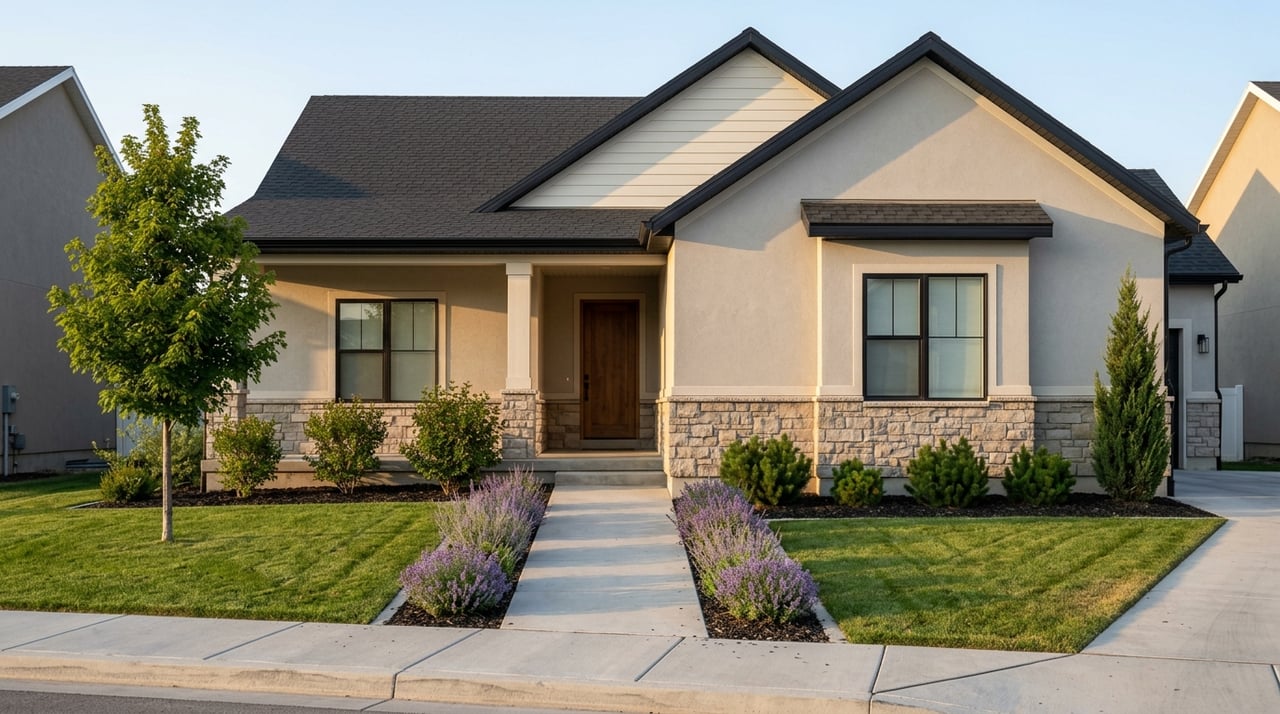
Federal Heights is another strong urban-core option. The city describes it as a walkable neighborhood with hiking access, tree-lined streets, large sidewalks, and historic character in a more residential setting, according to the Federal Heights neighborhood page. For many relocating buyers, it offers a balance between central-city access and a quieter residential feel.
Step 1: Define Your Daily Priorities
Before you look at listings, get clear on how you want to live. The best fit often comes down to your weekday routine more than the square footage.
Ask yourself a few practical questions:
- Do you want to rely on transit for work, errands, or airport trips?
- Do you prefer a low-maintenance property?
- Are you comfortable with stairs, slopes, and hillside streets?
- Do you want architectural character, even if it comes with extra upkeep?
- How important are parking, walkability, and quick trail access?
This step matters because block-level tradeoffs can shape your experience. Two homes with similar prices can feel very different depending on noise, grade, parking setup, and how you move through the city each day.
Step 2: Match the Right Neighborhood
Downtown for Convenience
Downtown is the strongest match if you want convenience first. It is the best fit for buyers who value proximity to employment centers, entertainment, dining, and public transportation.
Transit is a real advantage here. UTA’s fare information notes that part of Downtown operates as a Free Fare Zone, and the Salt Lake City International Airport is served by UTA public transportation via TRAX/City Train Service. If you travel often or want to reduce day-to-day driving, that can be a major quality-of-life benefit.
The Avenues for Historic Character
The Avenues stands out for architecture, history, and its close connection to both Downtown and the foothills. It is one of Salt Lake City’s oldest neighborhoods and includes a local historic district with a wide range of architectural styles.
If you love older homes and distinctive streetscapes, The Avenues may feel like the right fit right away. At the same time, buyers should understand that some exterior changes in a local historic district require additional approval, so it is important to weigh charm against flexibility.
Federal Heights for a Residential Feel
Federal Heights offers a more residential atmosphere while keeping you close to the city center. It is especially appealing if you want walkability and trail access without living in the most active urban blocks.
For some buyers, this neighborhood checks an important box: central location with a little more breathing room. If that sounds like your ideal balance, it should be on your short list.
Step 3: Choose the Property Type
Once you narrow the neighborhood, focus on the kind of home that fits your lifestyle and tolerance for maintenance.
Condos for Low Maintenance
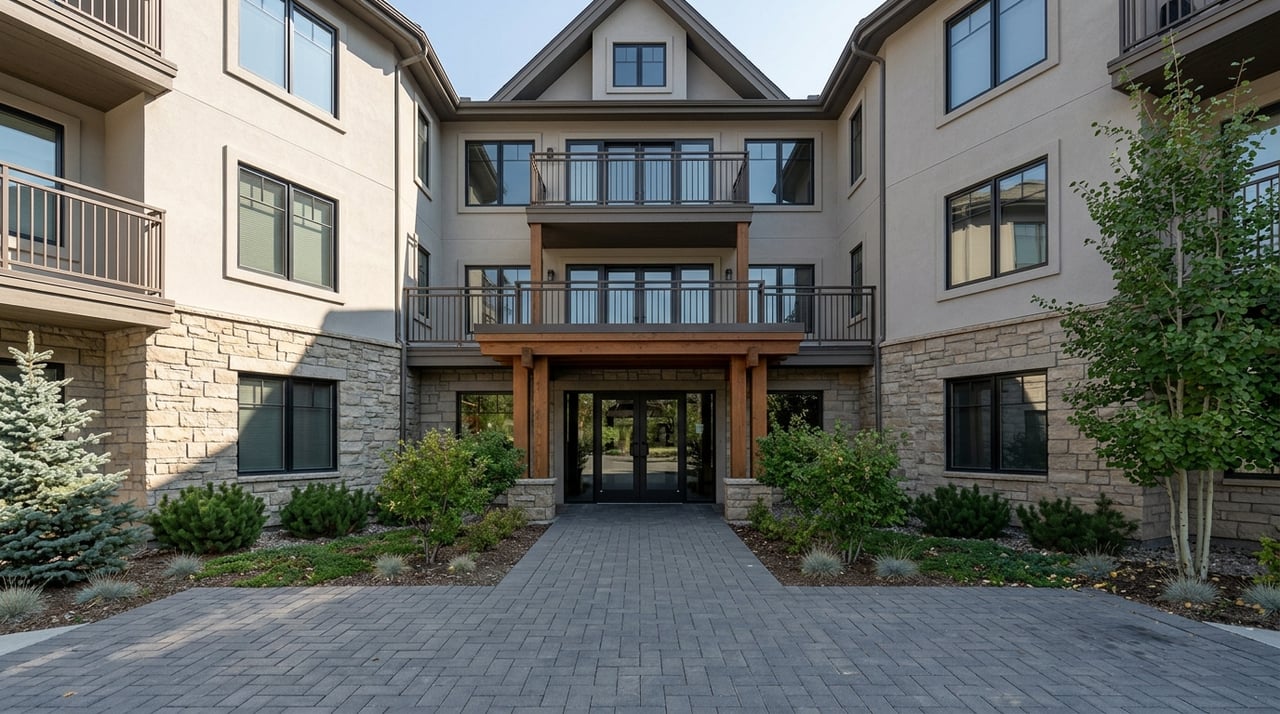
Condos are a natural fit for many Downtown buyers. They can offer easier upkeep and quick access to work, restaurants, events, and transit.
That convenience comes with an important due-diligence step. The Fannie Mae full review process highlights items such as delinquent assessments, HOA budgets, reserve funding, and reserve studies, including whether a reserve study is current within three years. In plain terms, you want those documents early because they can affect both financing and long-term budgeting.
Historic Homes for Character
Historic homes are a major draw in The Avenues. They can offer detail, charm, and a sense of place that newer properties often do not replicate.
Still, it helps to know the rules before you fall in love. Salt Lake City explains that living in a local historic district may require planning approval and a Certificate of Appropriateness for exterior work before changes begin. Interior remodeling is generally not subject to that certificate requirement, which can be reassuring if you want to update the inside while preserving the exterior character.
Hillside and View Homes
Upper Avenues and Federal Heights are the most logical places to look if views matter to you. Their geography near the foothills can create opportunities for city and mountain outlooks.
View buying takes extra care, though. Sightlines can change from one block to the next based on grade, trees, and nearby development, so it is smart to verify actual views in person whenever possible.
Step 4: Research Remotely First
If you are moving from out of state, your first round of searching should happen online. This helps you use travel time wisely later.
Start by reviewing listing photos, aerial imagery, neighborhood maps, and transit maps. Compare how each area connects to your likely commute, favorite amenities, and outdoor spaces.
This is also a good time to think beyond the property itself. The city’s Urban Trails resources show how close-in neighborhoods connect to routes like City Creek Canyon, the 9-Line Trail, and the Bonneville Shoreline Trail. If you want quick access to walking, biking, or trail time, these connections can shape which area feels best.
Step 5: Plan One High-Value Visit
When you visit in person, make it count. Instead of trying to see everything, focus on a well-planned tour through Downtown, The Avenues, and Federal Heights.
Use that trip to test what online research cannot fully show you:
- Street noise at different times of day
- Parking ease and guest parking
- Slope and walkability block by block
- Transit access and route convenience
- How each neighborhood feels in real time
This step is where many buyers gain clarity fast. A neighborhood that looks perfect online can feel too busy, too steep, or less convenient than expected once you drive and walk it yourself.
Step 6: Get Documents Early
Relocation buyers often lose time by waiting too long to review the documents that matter most. In Salt Lake City’s urban core, condo and historic-district paperwork can have a direct impact on your plans.
For condos, request the HOA budget, reserve information, parking rules, and other building documents as early as possible. For historic properties, review any applicable district requirements so you understand what may be allowed for exterior changes.
This is not just a paperwork exercise. These details can affect financing, renovation plans, ownership costs, and how comfortable you feel moving forward.
Step 7: Be Ready to Move Quickly
Salt Lake City’s market still rewards preparation. Redfin reports that the city’s median sale price was $597,750 in March 2026, homes sold in about 34 days on average, and the market was somewhat competitive.
That does not mean you should rush into the wrong property. It does mean you will be in a better position if your financing is lined up, your target neighborhoods are narrowed, and your decision criteria are clear before the right home appears.
Step 8: Understand Closing Logistics
If you cannot stay in Utah for every signature, ask early about remote closing options. In some cases, remote notarization can make the final steps easier.
The Utah Notary office maintains information on Remote Online Notary procedures and approved vendors. The state notes that a remote notary must already be a commissioned Utah notary and must keep a secure electronic journal. In practice, remote notarization may help with out-of-state closing logistics when the lender, title company, and notary setup all support it.
What Relocating Buyers Often Overlook
Many buyers focus on price, bedrooms, and photos first. Those matter, but urban-core living often comes down to smaller details that shape your routine.
Pay close attention to:
- Parking setup for both residents and guests
- Transit access and how often you will actually use it
- Street grade if you walk often or want easier daily access
- HOA strength in condo buildings
- Exterior change rules for historic homes
- Trail and outdoor access if that is part of your lifestyle
When you compare neighborhoods through that lens, the right choice usually becomes much clearer.
If you are planning a move to Salt Lake City’s urban core, a guided strategy can save you time and help you focus on the neighborhoods and property types that truly fit how you want to live. Whether you want a low-maintenance Downtown condo, a character-filled home in The Avenues, or a more residential foothill setting near Federal Heights, Trey Leonard can help you navigate the search, coordinate virtual tools, and move through the process with confidence.
FAQs
What is the best Salt Lake City urban-core area for condo living?
- Downtown is often the best fit for condo buyers who want lower maintenance, convenient transit access, and close proximity to dining, events, and daily services.
What should you know before buying a historic home in The Avenues?
- In Salt Lake City’s local historic districts, exterior changes may require planning approval and a Certificate of Appropriateness, while interior remodeling is generally not subject to that same requirement.
What documents should you review when buying a Downtown condo in Salt Lake City?
- You should review HOA budgets, reserve funding, reserve studies, delinquent assessment information, parking rules, and other building documents as early as possible.
Which Salt Lake City urban-core neighborhoods may offer foothill or view properties?
- The Avenues and Federal Heights are the most likely urban-core areas to explore for hillside settings and possible view-oriented homes, though views should be verified block by block.
How can out-of-state buyers close on a Salt Lake City home?
- Remote notarization may help with closing logistics when the lender, title company, and notary setup support it, and Utah provides guidance through its Remote Online Notary program.
How competitive is the Salt Lake City housing market for relocating buyers?
- Redfin reported that in March 2026, Salt Lake City had a median sale price of $597,750, homes sold in about 34 days on average, and the market was somewhat competitive.