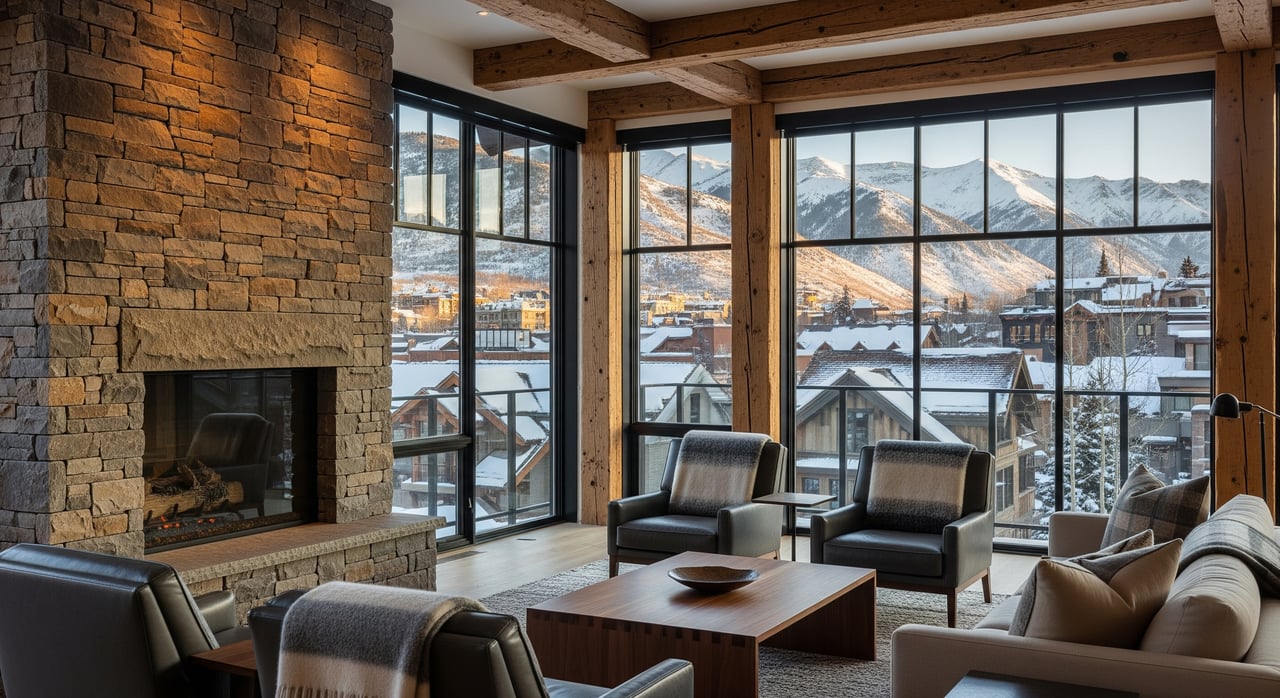
Picture yourself walking to Historic Main Street, grabbing coffee, and hopping on a lift without getting in the car. That lifestyle is why Old Town Park City draws so many buyers. It also explains why costs can be higher than you might expect. If you’re planning a move or a second home here, you want a clear view of what drives your budget and how to plan for it.
In this guide, you’ll get a practical breakdown of housing, utilities, transportation, and recreation costs in Old Town, plus smart questions to ask before you buy. You’ll also see how Old Town compares to Utah as a whole and to other mountain towns. Let’s dive in.
What drives costs in Old Town
Old Town sits next to Park City’s core amenities and ski access, with limited space to build. High demand, a strong second‑home market, and walkable proximity to lifts and Main Street keep prices elevated. Winter energy use, HOA services, and resort‑area recreation add up as well. Housing is the single biggest line item in most budgets here.
Housing: what to expect
Home types and price patterns
You’ll find a mix of historic single‑family homes, remodeled cottages on small lots, townhomes, and a wide range of condos, including luxury ski‑in/ski‑out units. Condos and townhomes are often the most attainable entry point. Single‑family homes and ski‑in properties command a premium, and Old Town typically sits above broader Park City averages due to walkability and lift access.
HOA fees and what they include
HOA and condo dues vary widely. Modest buildings may run on the lower side, while resort‑style communities with shuttles, pools, concierge, and robust reserves can run much higher. Dues often cover snow removal, building insurance, common utilities, and maintenance. Always confirm what’s included, how reserves are funded, and whether any special assessments are planned.
Taxes and insurance
Utah’s effective property tax rates are relatively low compared with many states, but high assessed values in Park City mean larger overall tax bills. Homeowner’s insurance can run higher than statewide averages due to property value, seasonal vacancy, and local winter risks. If your building carries a master policy, verify the coverage details and where you need additional protection.
Short‑term rental rules and costs
Park City and Summit County regulate short‑term rentals. Rules, licensing, fees, and lodging taxes can affect your rental income and compliance costs. Some locations and HOAs restrict STRs. If you plan to rent part time, confirm what’s allowed, what it costs, and how any changes to policies might affect your projections.
Utilities and seasonal energy costs
Heating and the winter spike
Mountain winters are long and cold. Heating is a major seasonal expense, and the fuel type matters. Natural gas is generally less expensive than electric resistance heat, while propane or fuel oil can cost more per unit of heat. Older homes or those with less insulation can see noticeably higher winter bills.
Electricity, water, and sewer
Electric rates in Utah are often at or below the national average, but usage can jump in winter. Water and sewer charges are usually moderate, with higher costs during summer irrigation. Winter use often drops, though you should plan for pipe freeze prevention and potential thawing costs.
Snow removal and winter readiness
In single‑family homes, budget for snow removal. Depending on your property and HOA coverage, you may pay for plowing, shoveling, or heated driveways. These services add comfort and safety but increase monthly and seasonal costs.
Utility budgeting tips
- Ask sellers for 12 months of utility history.
- Confirm heating fuel type and the age/efficiency of systems.
- Check insulation, windows, and air sealing, especially in older homes.
- Estimate higher winter bills and plan a buffer in your budget.
Transportation and access
Airport access
Old Town sits within typical driving distance of about 35 to 50 minutes from Salt Lake City International Airport under normal conditions. Weather and traffic can affect travel times. Many second‑home owners also plan for flight costs and occasional airport shuttles or car rentals.
Car vs. local transit
Most residents keep a car, especially for winter. All‑wheel drive or four‑wheel drive with proper winter tires improves safety. Park City Transit operates a free local bus system connecting Old Town with resort bases and neighborhoods. Transit can reduce downtown parking needs, though you may still want a car for errands and regional trips.
Parking in Old Town
On‑street parking can be limited. Some condos provide off‑street spaces or parking passes; others do not. Private garages or deeded spaces are a premium and can influence both purchase price and convenience.
Recreation and lifestyle expenses
Skiing and winter activities
Lift tickets and season passes are a key recurring cost if you ski often. Day tickets rise during peak dates. Season passes can offer better value when purchased early. Plan for gear maintenance, lessons, and potential ski storage if your building does not offer it.
Summer and year‑round activities
Mountain biking, golf, yoga and fitness studios, and private club memberships all add to your annual spend. Park City offers both municipal and private facilities. Your HOA may include gym or pool access, which can offset separate memberships.
Gear, storage, and insurance
High‑value equipment like skis and bikes may need separate insurance riders. If you lack on‑site storage, add monthly or seasonal storage fees to your plan.
Old Town vs other options
Compared with Utah overall
The overall cost of living in Park City, and especially Old Town, is higher than Utah’s statewide averages. Housing leads the gap, with recreation and resort‑area services adding to ongoing costs. Taxes follow the statewide structure, but local sales and lodging taxes are higher than the state baseline. Property tax bills are significant due to elevated home values.
Compared with other mountain towns
Old Town Park City ranks among the more expensive mountain resort communities. Its proximity to a major airport, strong amenities, and year‑round appeal support higher pricing. Compared with smaller, more remote towns, you’ll often pay more here but gain access to a broader range of services, events, and infrastructure.
Sample monthly budget profiles
Below are illustrative profiles to help you think through line items. Your actual numbers will depend on property type, financing, amenities, occupancy, and the season.
Primary resident in an Old Town condo
- Mortgage or cash opportunity cost
- HOA dues: building services and reserves
- Property tax and condo insurance or HO‑6 policy
- Utilities: electricity, gas (if applicable), water/sewer, internet
- Winter buffer: higher heating and shared snow removal
- Transportation: car payment, insurance, fuel, or rely more on free transit
- Recreation: season pass or day tickets, gym or studio membership
Year‑round single‑family homeowner
- Mortgage or cash opportunity cost
- Property tax and homeowner’s insurance
- Utilities: electricity, gas or propane, water/sewer, internet
- Snow removal: plowing, shoveling, or heated driveway upkeep
- Maintenance: roof, gutters, exterior stairs and decks, seasonal checks
- Transportation: AWD/4WD setup, winter tires, routine service
- Recreation and events: ski passes, lessons, dining, festivals
Second‑home owner who rents part time
- Mortgage or cash opportunity cost
- HOA dues and master insurance coordination
- Property tax and insurance for seasonal vacancy
- Utilities: plan for winter spikes and off‑season base load
- Property management: cleaning, turnover, and maintenance
- STR compliance: licenses, fees, lodging taxes, and inspections
- Travel: flights, airport shuttles, or a local vehicle
- Wear and tear: extra maintenance from guest use
Due diligence checklist
- Review 12 months of utility bills and confirm heating fuel type.
- Get HOA budgets, reserve studies, and any planned special assessments.
- Verify short‑term rental rules, permits, and taxes for your address.
- Ask for recent maintenance records and any energy upgrades.
- Price homeowner’s and, if needed, supplemental equipment insurance.
- Confirm parking rights, storage, and transit access.
Condo or home: which fits you
Condos can simplify ownership with exterior maintenance and snow removal handled by the HOA. You trade dues and rules for convenience and amenities. Single‑family homes provide privacy and control but require active maintenance and dedicated snow management. Your ideal fit depends on how often you’ll be in residence, your tolerance for hands‑on upkeep, and whether rental income is part of your plan.
Can rentals offset costs
Short‑term rentals can help, but treat them as a business line. Model licensing costs, lodging taxes, management and cleaning fees, variable occupancy, dynamic pricing, and extra maintenance. Check that your address and HOA allow STRs and what standards you must meet for parking, safety, and inspections. Rules and economics can change, so build a conservative forecast.
Plan for capital improvements
Many Old Town homes are older and benefit from insulation, window, heating, and weatherproofing upgrades that improve comfort and control winter bills. Even newer properties can require ongoing maintenance in a high‑altitude climate. Include a capital reserve in your budget for systems replacements and periodic exterior work.
Ready to price Old Town options, compare HOA structures, and build a clear budget? Reach out to Trey Leonard for tailored guidance on specific listings, utility histories, and local STR rules so you can buy with confidence.
FAQs
What makes Old Town pricier than Utah overall?
- Limited land near lifts and Main Street, strong second‑home demand, and resort‑area services push housing and lifestyle costs higher than statewide averages.
How do HOA dues affect my budget in Old Town?
- Dues vary by building and amenities; they can include snow removal, master insurance, reserves, and common utilities, so confirm inclusions and any planned assessments.
Can I short‑term rent my Old Town property?
- It depends on location and HOA rules; Park City and Summit County require licensing and collect lodging taxes, so verify permissions and costs before you buy.
What winter costs should I plan for in Park City?
- Higher heating bills, snow removal services or equipment, and potential maintenance related to freeze protection and frequent storms.
Do I need a car if I live in Old Town?
- Many residents keep a car, especially for winter; the free local bus system helps with in‑town trips, but AWD/4WD and winter tires are common.
How far is Old Town from the airport?
- Under typical conditions, driving time to Salt Lake City International is about 35 to 50 minutes, with weather and traffic affecting timing.