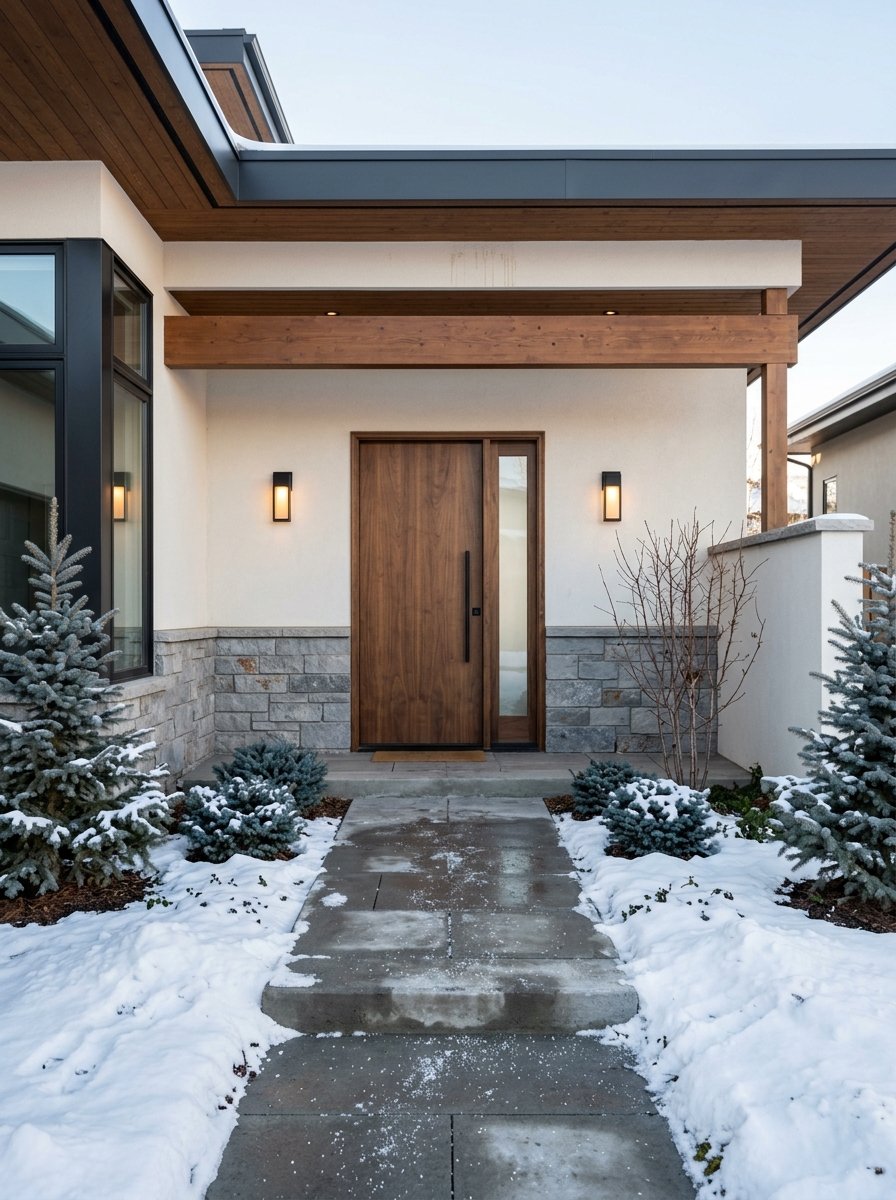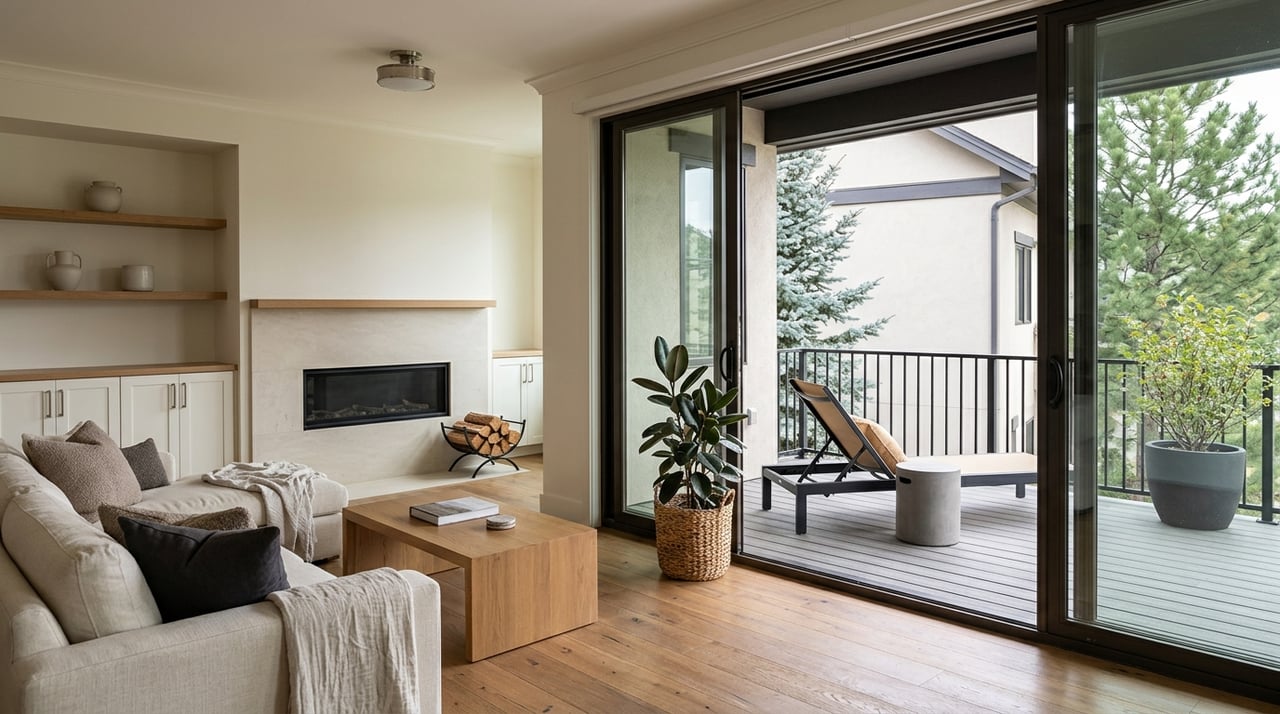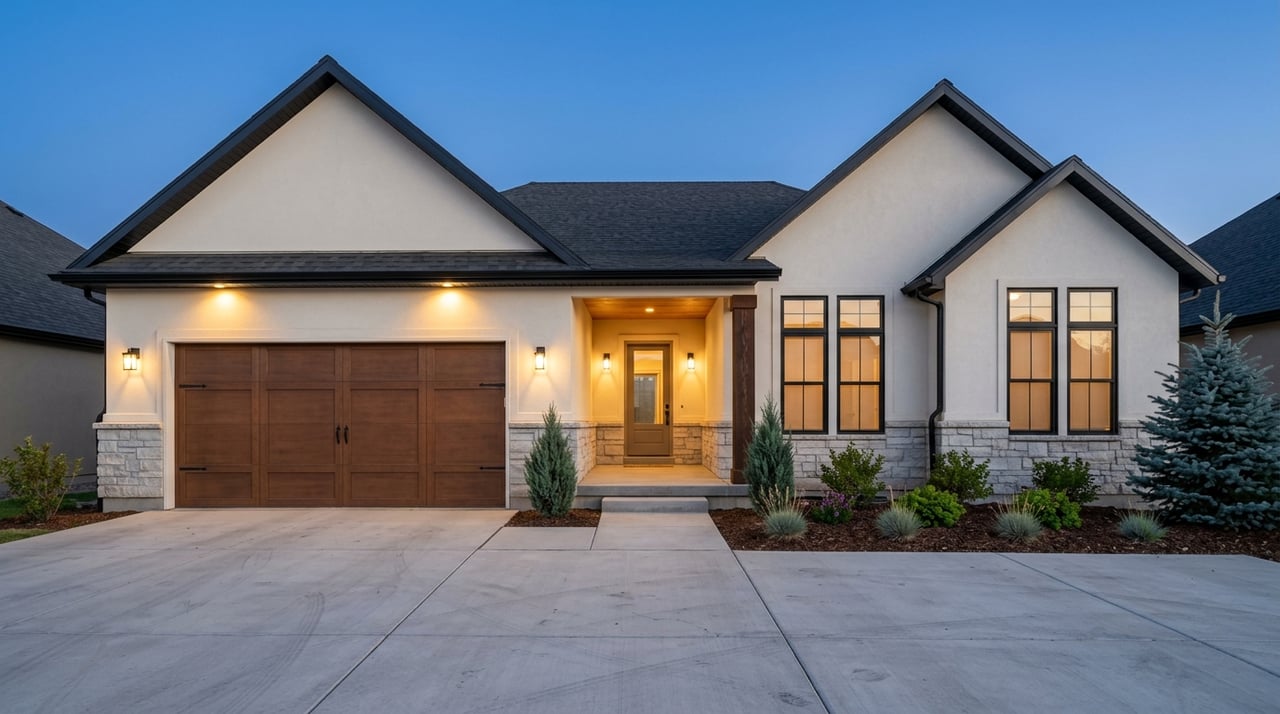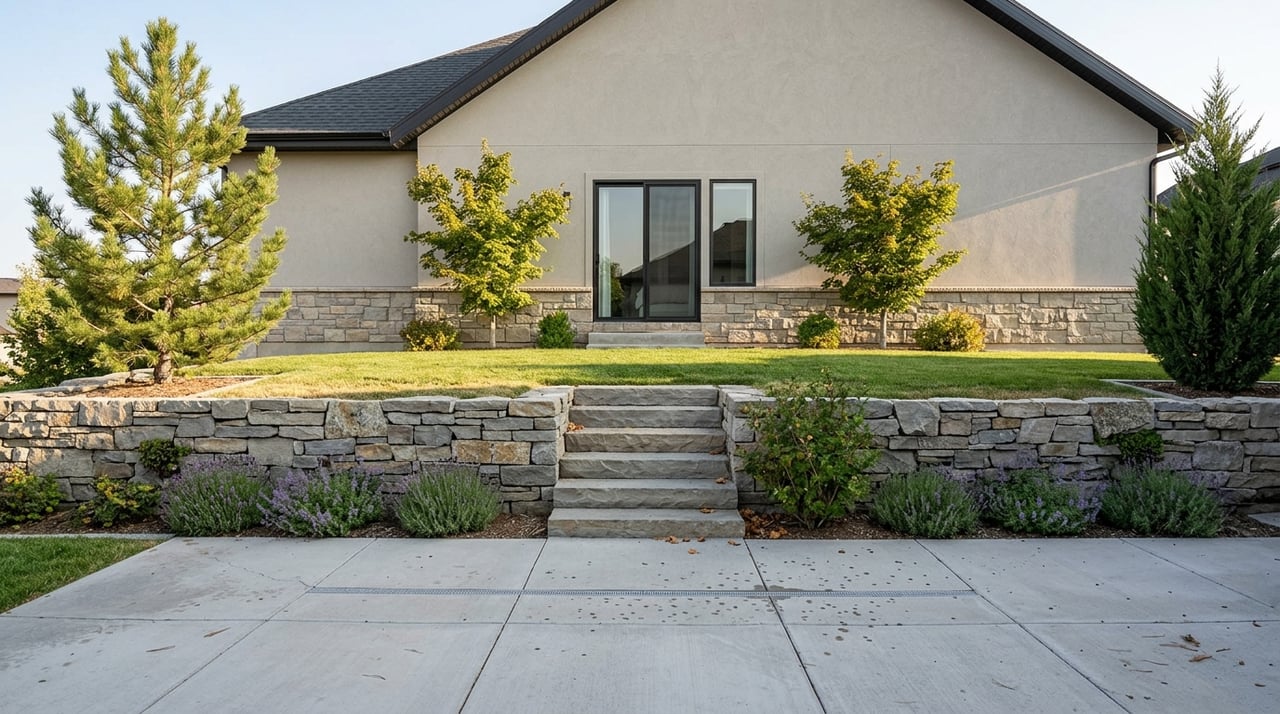
Looking for a place where your weekends can actually feel like weekends? If you are comparing Draper, Sandy, and Cottonwood Heights, you are likely trying to balance trail access, parks, school boundaries, commute options, and housing costs all at once. The good news is that each city offers a strong fit for active families, but they do it in different ways. Here’s how to think through the tradeoffs so you can focus on the lifestyle that fits you best.
Why these three cities stand out
Draper, Sandy, and Cottonwood Heights all appeal to buyers who want easy access to outdoor recreation and everyday family amenities. They are all within Canyons School District, and each has a different feel when it comes to housing, recreation, and day-to-day convenience.
That said, school boundaries are address-specific, not city-wide. Canyons School District highlights 47 schools and programs, so if schools are part of your move, you should verify attendance zones by the exact address you are considering.
Schools: verify by address
A lot of buyers start by asking which city has the “best” schools, but the more useful question is which address feeds the schools you want to explore. In this area, district boundaries can shift by street, so city name alone is not enough.
Representative high schools often tied to each city are Corner Canyon High in Draper, Alta High in Sandy, and Brighton High in Cottonwood Heights. These are helpful reference points, but the practical move is always to confirm the assigned school for a specific property.
Draper school pattern
Draper often feels more feeder-based than some nearby areas. For example, Willow Springs Elementary feeds into Draper Park Middle and Corner Canyon High, which can make the path feel more straightforward in some parts of the city.
If you like a clear suburban structure, that may appeal to you. Still, you should verify each address before making assumptions.
Sandy school pattern
Sandy tends to offer more variety. Because the city covers a larger footprint with different neighborhood types, school assignments may feel less one-size-fits-all.
That can be a plus if you want more housing and location options. It also means you will want to look carefully at each home’s specific attendance area.
Cottonwood Heights school pattern
Cottonwood Heights also sits within the same district structure, with Brighton High serving as a common reference point. As with the other two cities, the best approach is to evaluate the exact property, then confirm boundaries from there.
For active families, this matters because school location can shape your daily routine just as much as the home itself. A shorter drive or easier route can make a real difference.
Draper: trails first
If your ideal week includes mountain biking, trail running, or hiking close to home, Draper makes a strong case. The city says it has 117 miles of scenic trails and 5,000 acres of open space, with the Corner Canyon trail system acting as a major lifestyle anchor.
That outdoor identity is not just branding. Draper’s trail system is managed with specific rules for safety and watershed protection, which speaks to how central the trail network is to daily life here.
Draper recreation for kids
Draper also supports active routines through city programming. Draper Parks and Recreation offers year-round youth programs, including outdoor sports like soccer and softball.
The city’s park system includes more than 42 parks, along with splash pads, skate parks, and off-leash dog areas. If you want a city where outdoor play and organized recreation are easy to plug into, Draper has depth.
Draper housing feel
Among these three cities, Draper reads as the newest and most suburban. City planning materials describe a mix that includes large-lot single-family neighborhoods and ranchettes, while other city pages show townhomes, apartments, twin homes, and accessory dwelling units as part of the broader housing mix.
Even with that variety, the dominant feel is still single-family detached housing with selective infill. For many buyers, that creates a more spacious, newer-home environment.
Draper tradeoff
The biggest lifestyle advantage in Draper is also the main tradeoff. Strong trail access and a large open-space footprint often come with the highest housing costs of the three.
Census estimates place Draper’s median owner-occupied home value at $784,800. It also has the youngest family profile of the group, with 28.7% of residents under age 18.
Sandy: the most balanced option
If you want the broadest mix of parks, youth programs, transit, and housing choices, Sandy stands out. It offers a more flexible middle ground for families who want outdoor access without giving up daily convenience.
Sandy’s planning areas point to a city with older neighborhoods, central areas, and redevelopment pockets rather than one single housing style. In practical terms, that usually means more variety in both home type and neighborhood feel.
Sandy recreation and parks
Sandy says it operates more than 32 parks across 28 square miles and also benefits from access to Dimple Dell Regional Nature Park and other county parks. That gives families a wide everyday recreation menu without needing to leave the city.
Its recreation offerings include youth soccer, baseball, basketball, volleyball, flag football, hockey, hiking club, outdoor adventure club, and youth fishing club. If your family likes options across different seasons and ages, Sandy has a lot to work with.
Sandy transportation advantage
Transportation is one of Sandy’s clearest strengths. The city says its system includes commuter trains, buses, and light rail, with access to the airport and ski resorts, and it also emphasizes active-transportation planning and traffic-signal synchronization.
For families juggling school drop-offs, work commutes, and sports schedules, that kind of transportation mix can matter just as much as parks or trails. Of these three cities, Sandy appears to be the most transit-rich.
Sandy housing flexibility
Sandy also stands out on relative affordability. Census estimates place its median owner-occupied home value at $614,100, which is lower than Draper and Cottonwood Heights.
That does not tell you current listing prices, but it does help frame Sandy as the most budget-flexible of the three. If you want more room to compare established neighborhoods, older homes, and newer infill settings, Sandy gives you the widest spread.
Cottonwood Heights: canyon access and established neighborhoods
If your family plans to spend a lot of time in the foothills and canyons, Cottonwood Heights deserves a close look. The city describes itself as the city between the canyons, and that setting shapes both lifestyle and daily logistics.
This is the most canyon-oriented of the three options. For many buyers, that means quick access to the kind of outdoor rhythm they want most.
Cottonwood Heights trail network
Trail access is one of the city’s clearest strengths. Cottonwood Heights highlights the Big Cottonwood Trail at Old Mill, the East Jordan Canal Trail from Fort Union to Mountview Park, and Ferguson Park’s trailhead access to Ferguson Canyon.
City planning also points to a broader network designed to connect neighborhoods, parks, and canyon-adjacent routes. If you want trail options woven into an established residential setting, this is a compelling fit.
Cottonwood Heights recreation and youth programs
Youth recreation here is supported through both parks and the recreation center. Official city and service-area materials reference swimming pools, an ice-skating rink, a skate park, baseball diamonds, tennis courts, and soccer fields.
There is also a noticeable youth civic layer. The city runs a Youth City Council for grades 9 through 12, and the Health in the Heights coalition focuses on helping youth thrive.
Cottonwood Heights housing feel
Cottonwood Heights generally feels more established and mostly single-family in character, with some flexibility for accessory dwelling units. Census estimates place its median owner-occupied home value at $694,100, which puts it between Sandy and Draper.
For buyers who prefer mature neighborhood patterns and foothill proximity, that middle position can be appealing. It often feels like a blend of recreation access and established residential character.
Cottonwood Heights tradeoff
The main tradeoff here is traffic sensitivity near canyon routes. Public input has repeatedly called for better canyon traffic mitigation, more trail connections, and improved active-transportation options.
So if you love the foothill lifestyle, it helps to be realistic about route management during peak times. For many families, that is worth it, but it should be part of the decision.
Comparing the three cities
Here is a simple way to think about the differences:
| City | Best fit for | Relative housing cost | Standout strength | Main tradeoff |
|---|---|---|---|---|
| Draper | Families who want trails and newer suburban housing | Highest of the three | 117 miles of trails and 5,000 acres of open space | Higher housing costs |
| Sandy | Families who want balance and flexibility | Lowest of the three | Broad recreation menu and strong transit options | More variation by neighborhood |
| Cottonwood Heights | Families who want canyon access and established neighborhoods | Middle of the three | Foothill and canyon-oriented lifestyle | Traffic sensitivity near canyon corridors |
How to choose the right fit
The right choice depends on what your family will use most often, not just what looks best on paper. A great trail system matters less if your commute becomes harder than you want, and a lower price point matters less if you do not connect with the day-to-day feel of the area.
As you compare homes, focus on these questions:
- How often will you use trails, parks, or canyon access each week?
- Do you want a newer suburban setting or a more established neighborhood feel?
- How important are light rail, commuter rail, or bus connections?
- What price range gives you the best long-term comfort?
- Which exact address lines up with the school boundary you want to verify?
For many active families, the answer becomes clear once you drive the routes, visit the parks, and compare how each city supports your actual routine.
If you want help narrowing down the right fit in Draper, Sandy, or Cottonwood Heights, Trey Leonard can help you compare neighborhoods, evaluate lifestyle tradeoffs, and find a home that matches the way you live.
FAQs
How do school boundaries work in Draper, Sandy, and Cottonwood Heights?
- All three cities are within Canyons School District, and attendance zones are address-specific, so you should verify boundaries by the exact property address.
Which city is best for trail access near Draper, Sandy, and Cottonwood Heights?
- Draper stands out for trail mileage and open space, while Cottonwood Heights is especially strong for canyon-adjacent trail access.
Which city is most budget-flexible for active families near Salt Lake?
- Based on Census owner-occupied value estimates, Sandy has the lowest median home value of the three and offers the widest range of neighborhood contexts.
Which city has the best transit options for families in this area?
- Sandy appears to be the most transit-rich, with commuter trains, buses, light rail, and city emphasis on transportation planning and signal coordination.
What is the main tradeoff in Cottonwood Heights for active families?
- Cottonwood Heights offers strong canyon access and established neighborhoods, but families should expect more traffic sensitivity near canyon corridors during busy times.